

 English
 中文简体
中文简体 русский
 Español

Industry News
 +86-13306862930 / +86-18668881826
Get a Quote
+86-13306862930 / +86-18668881826
A rack and pinion system works through repeated contact between moving teeth. During normal operation, contact between the gear and rack creates friction, pressure, and gradual surface changes. Wear cannot be removed completely from a working mechanical system, although suitable installation and daily care can help keep unnecessary wear under control.
Several conditions can influence how quickly surfaces change. Misalignment may cause one area of the teeth to carry more pressure than another, while dirt around the contact area can interfere with smooth movement. Poor lubrication can increase friction, and sudden changes in movement may place extra stress on the contacting surfaces.
Operating habits matter as well. A system used with a steady movement pattern may behave differently from one that repeatedly starts, stops, or changes direction. Long periods of operation without inspection can make small problems harder to notice until movement becomes less smooth.
Normal surface marks do not always mean a component needs immediate replacement. A gradual change should be considered together with tooth shape, movement, noise, mounting condition, and lubrication. Looking at the complete working condition gives a clearer picture than judging one visible mark alone.
Alignment determines how the teeth meet during movement. When the rack and pinion are positioned properly, contact can remain reasonably even across the working area. A mounting error may shift contact toward one side, creating uneven pressure and causing certain sections to wear faster.
Installation surfaces need attention before the rack is fixed in place. An uneven mounting surface can make alignment difficult, while loose fixing points may allow the rack to move slightly during operation.
A simple inspection can focus on:
Alignment should not be checked only at the beginning. Vibration, repeated movement, and maintenance work can gradually affect fixed positions, especially in equipment that operates frequently.
Lubrication creates a layer between contacting surfaces, helping reduce direct friction during movement. Without suitable lubrication, tooth surfaces may experience greater resistance, which can contribute to faster surface wear.
Choosing an appropriate lubricant depends on the equipment and its working conditions. Outdoor machinery may face moisture and dust, while enclosed equipment can experience heat buildup or limited airflow. A lubricant that does not suit the environment may collect dirt or lose its useful condition during operation.
Applying too much material does not necessarily improve the working condition. Excess lubricant can attract dust and small particles, which may later enter the contact area. Insufficient lubrication can create another problem by leaving surfaces with greater friction.
| Area | What to Observe |
|---|---|
| Tooth surfaces | Dry areas, unusual marks, or dirt |
| Contact area | Uneven buildup or contamination |
| Moving parts | Changes in smoothness |
| Surrounding area | Dust, moisture, or leaked lubricant |
Cleaning the surface before adding fresh lubricant can help prevent old residue and dirt from becoming part of the contact layer.
Small particles can have a noticeable effect when they remain between moving teeth. Dust, metal fragments, dried lubricant, and other debris may interfere with normal contact, creating additional friction as the rack and pinion move.
Regular cleaning does not require aggressive treatment. A suitable cloth or cleaning method can remove loose dirt from accessible areas without damaging the working surfaces. Care should be taken around tooth edges because rough handling can create scratches or small surface damage.
Cleaning frequency should follow the environment and use conditions. Machinery operating in a dusty workplace may need more frequent attention than equipment installed in a relatively clean area.
Keeping surrounding surfaces clean can help as well. Dirt does not always enter directly from the teeth; particles may come from nearby components, maintenance work, or the surrounding workspace.
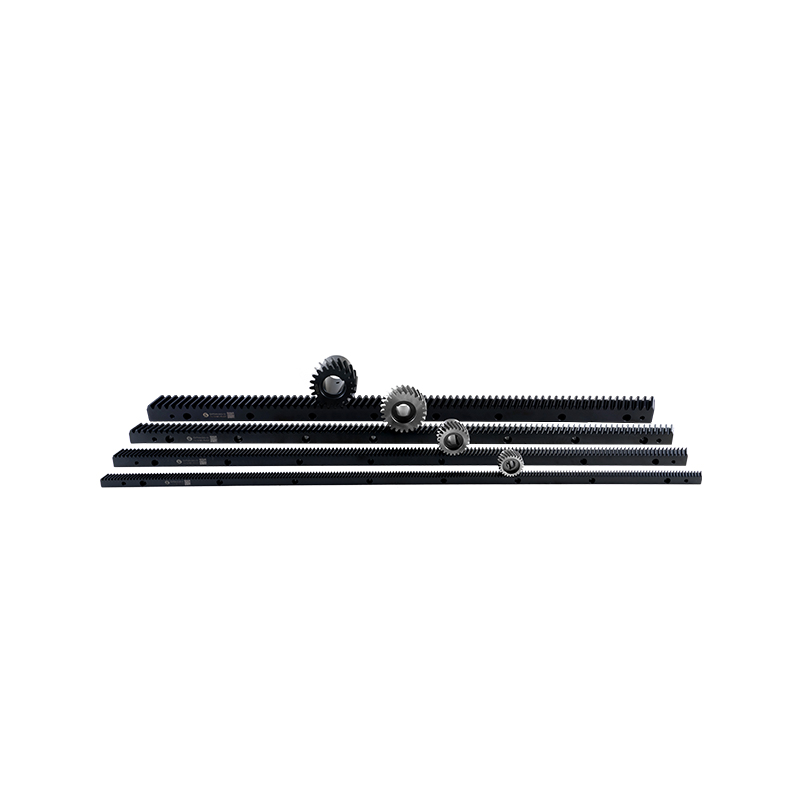
Load has a direct relationship with tooth contact. When a system carries a heavier working force, the contacting surfaces experience greater pressure. Sudden changes in movement can create additional stress, especially when the system starts or stops repeatedly.
A steady movement pattern can reduce unnecessary changes in contact pressure. Smooth operation depends partly on the condition of the connected equipment, so abnormal resistance should not automatically be treated as a rack or pinion problem.
Long periods of operation may cause one section of the rack to experience repeated contact while other sections remain less active. Over time, uneven use can produce differences in surface condition along the working path.
Operators can pay attention to changes such as:
When such changes appear, checking alignment, cleaning, lubrication, and surrounding mechanical conditions can help identify the source before further adjustment is made.
Installation provides the foundation for later operation. A rack needs firm support along its mounting area, while the pinion needs to sit in a position that allows proper tooth contact throughout its movement.
Mounting surfaces should be reasonably clean and stable before installation. Connection points need to remain secure, and sections joined together should form a consistent working path rather than creating sudden changes between adjacent pieces.
After installation, movement should be checked gradually. Watching the teeth as the pinion travels can reveal contact changes that are difficult to notice from a stationary inspection. Resistance, noise, or visible movement around fixing points may indicate that an adjustment is needed.
Rather than moving directly into extended operation, a short inspection period allows installation problems to be identified early. Proper positioning at the beginning can reduce uneven contact and unnecessary wear during later use.
A rack and pinion system usually gives some indication when its working condition starts to change. A familiar movement may become less smooth, a new sound may appear, or one part of the tooth surface may look different from the surrounding area. Such changes are worth checking rather than being treated as ordinary wear without further observation.
Uneven marks along the rack can be particularly useful during inspection. One section may show more surface change because it receives contact more often, while another section remains relatively unchanged. Misalignment, dirt, lubrication condition, and changes in working load can all contribute to the difference.
Visible damage deserves closer attention when tooth edges become chipped, surfaces develop unusual scratches, or movement becomes harder at a particular position. Noise can provide another useful clue. A sound that appears only when the pinion reaches one section of the rack may point toward a local condition rather than a problem affecting the entire system.
Instead of judging wear from appearance alone, maintenance personnel can compare several signs at the same time. Checking the tooth surfaces, mounting condition, lubrication, and movement together makes it easier to decide whether cleaning, adjustment, or further inspection is needed.
Regular inspection does not have to interrupt normal equipment work for a long period. A visual check of the working area, followed by observation during movement, can reveal changes that are difficult to notice when attention is given only to the final result.
Looking along the full rack is useful because wear may not develop evenly. One end can remain in good condition while another section experiences heavier contact or collects more dust. Connected sections deserve attention too, since a small change at a joint can affect how the pinion travels across the rack.
Mounting points should remain firm throughout use. Vibration and repeated movement may gradually affect fasteners or supporting surfaces, especially where equipment operates regularly. Checking such areas during scheduled maintenance can help identify a position change before it influences tooth contact.
A useful inspection can involve:
Keeping simple maintenance records can make gradual changes easier to recognize. A condition that seems minor during one inspection may become more meaningful when compared with earlier observations.
Once unusual wear has been noticed, replacing one side immediately may not address the reason it developed. Rack and pinion teeth work together, so the condition of one component can influence the other over time.
Inspection should cover both parts before any replacement decision is made. A damaged tooth may have resulted from poor alignment, contamination, excessive working pressure, or another condition around the equipment. Removing the damaged component without checking the surrounding setup can leave the same cause in place.
Minor surface changes can sometimes be monitored during routine maintenance, while damaged or distorted teeth require closer attention because movement may no longer remain stable. Continuing operation without checking an obvious change can place additional pressure on nearby teeth.
Before replacing a component, it is useful to check:
A replacement part needs to work with the existing installation. Checking the complete contact arrangement helps avoid creating another mismatch after maintenance.
Buying decisions often start with dimensions, although dimensions alone do not describe how a rack and pinion system will behave in actual equipment. Working conditions, installation space, movement pattern, and maintenance access can all affect the choice.
A Helical Gear Rack Factory should be able to provide practical information about the intended application. Rather than focusing only on product appearance, buyers can ask about installation requirements, suitable working conditions, cleaning, lubrication, and routine inspection.
Questions may include:
Such information becomes particularly useful when a new rack needs to fit an existing machine. Available installation space, movement direction, fixing method, and the position of the pinion all need to work together.
Clear communication before purchase can reduce the chance of selecting a component based only on size when the actual application has additional requirements.
A large part of wear prevention comes from ordinary equipment care rather than complicated maintenance work. Keeping the tooth area clean, checking lubrication, and watching for changes in movement can help prevent small conditions from becoming harder to handle.
Dust deserves attention because particles can settle around the teeth and mix with lubricant. Once such material enters the contact area, friction may increase during movement. Cleaning should therefore be carried out before adding fresh lubricant where the equipment requires it.
Mounting points can be checked during regular equipment service. A loose connection may not create an obvious problem at once, yet movement can gradually change as the rack shifts from its intended position.
Operating habits have an effect as well. Sudden movement, unnecessary load changes, and repeated abrupt stops can place additional pressure on contacting teeth. Keeping movement reasonably steady can help maintain a more consistent working condition.
Simple maintenance habits include:
Small signs are easier to deal with when they are noticed during normal maintenance rather than after movement has already become difficult.
Choosing a suitable helical gear rack and pinion starts with the machine rather than the component alone. A rack may fit physically while still being unsuitable for the way an existing machine moves or for the conditions surrounding the installation.
Working load needs to be considered alongside movement. Equipment that moves steadily places different demands on the teeth from equipment that changes direction or stops frequently. Installation space matters too, especially when regular inspection and cleaning need to be carried out around the rack.
Environmental conditions can influence maintenance needs. Dusty surroundings may require more frequent cleaning, while areas exposed to moisture need closer attention to surface condition and storage of maintenance materials.
| Working environment | Check the surroundings where the rack and pinion will operate, including dust, moisture, heat, and available space. |
|---|---|
| Movement pattern | Consider whether movement is steady, frequent, intermittent, or involves repeated direction changes. |
| Installation arrangement | Make sure there is enough room for secure mounting and later inspection. |
| Maintenance access | Check whether teeth, fixing points, and contact areas can be reached without unnecessary difficulty. |
| Supplier information | Ask a Helical Gear Rack Factory about installation, cleaning, lubrication, and conditions related to the intended use. |
Wear usually develops through a combination of small conditions rather than one isolated issue. A rack mounted slightly out of position may create uneven contact, while dirt or unsuitable lubrication can add friction during movement. Frequent changes in load can place further pressure on surfaces that are already working under uneven conditions.
For a helical gear rack and pinion system, regular observation gives maintenance personnel a clearer view of how the equipment is behaving. Changes in sound, movement, tooth condition, or mounting position can provide useful reasons for inspection. Matching the component to the machine, installing it carefully, keeping contact areas clean, and maintaining suitable lubrication can help reduce unnecessary wear during ordinary operation.

© 2025 Zhejiang Yuchen Transmission Technology Co., Ltd.

Transmission Gear And Rack


