

 English
 中文简体
中文简体 русский
 Español

Industry News
 +86-13306862930 / +86-18668881826
Get a Quote
+86-13306862930 / +86-18668881826
Packaging equipment needs to move products, containers, films, trays, and other materials through a series of working positions. Some movements are continuous, while others require a short forward motion followed by a return or repositioning action. As packaging lines become more compact and movement cycles become more closely connected, the way motion is transferred between components can affect how smoothly each operation works.
A Roller Rack And Pinion provides a way to convert rotary movement into controlled linear movement. The pinion rotates while the rack moves along its length, allowing a machine to create pushing, positioning, or reciprocating actions within a defined path. For packaging equipment, the value of this arrangement comes from its ability to connect rotary drive movement with the straight‑line travel required by many machine structures.
Packaging machines often combine several types of movement within one working area. A product may need to move forward, stop at a processing position, and then continue along the line. A guide or pusher may also need to move back and forth while another part of the machine performs a separate operation.
A rack and pinion arrangement can fit these conditions because the direction of linear travel follows the position of the rack. As the pinion turns, its teeth engage with the rack and transfer the rotary movement into linear displacement. Changing the rotation direction allows the rack to move in the opposite direction, which can support reciprocating machine actions.
The roller structure also has a practical role in equipment that needs repeated movement. Contact between moving parts needs to remain consistent as the machine operates. When the rack, pinion, mounting structure, and surrounding guides are properly matched, the movement can follow a defined path without relying on complicated motion arrangements.
Several packaging functions can make use of this type of movement:
High‑speed operation does not simply mean making every component move faster. Acceleration, stopping, direction changes, and the timing between nearby mechanisms all influence machine behavior. A transmission arrangement therefore needs to work with the wider movement pattern rather than being considered as an isolated component.
Straight‑line movement appears in many parts of packaging equipment because products usually need to travel through defined positions. A carton may be guided toward a closing area, a container may need to move beneath a filling point, or a mechanical arm may push a package into another section.
Rotary motors naturally produce circular movement, so a mechanism is needed when the final motion needs to travel along a straight path. A rack and pinion provides a direct mechanical connection between these two movement forms. Rotation at the pinion is transferred through tooth engagement, causing the rack to travel along its length.
The arrangement becomes useful when the machine requires a predictable relationship between rotation and travel. Movement can be arranged around the physical length and position of the rack, while the surrounding machine structure controls the path.
Different packaging actions create different requirements. A pushing mechanism may need a short travel distance and frequent direction changes. A transfer structure may need longer movement along a fixed route. Position adjustment may require controlled movement without taking up much space around the machine.
The surrounding guide system matters as well. The rack should remain properly positioned relative to the pinion during operation. Uneven mounting or movement outside the intended path can affect tooth contact and create additional noise or vibration.
For packaging equipment, linear motion is therefore not only about moving an object from one place to another. It is also connected with:
Once these factors are considered together, the choice of transmission structure becomes closely tied to the layout of the entire packaging line.
Packaging lines contain different work areas, and each area may place different demands on mechanical movement. A transfer section may require continuous travel, while a pushing mechanism may move only when a package reaches a particular position. Positioning equipment may also need to move a fixture between several working areas.
A Roller Rack And Pinion can be adapted to these different movement patterns when the machine layout provides a suitable straight travel path. The rack can be installed along the required direction, while the pinion connects the rotary drive to the moving section.
In product transfer applications, the rack can support movement along a fixed route. In pushing applications, the same basic arrangement can create forward and return travel. For positioning mechanisms, the rack length and mounting position can be selected according to the available machine structure.
The surrounding components should be considered at the same time. A rack may share space with guides, conveyors, sensors, guards, or product‑handling parts. Crowded layouts can make installation and maintenance more difficult, so the transmission path needs to fit naturally into the machine design.
| Packaging Movement | Typical Motion Need | Main Design Consideration |
| Product transfer | Straight travel between work areas | Rack length and travel path |
| Product pushing | Forward and return movement | Direction change and mounting |
| Fixture positioning | Controlled movement to a work position | Space and alignment |
| Component adjustment | Repeated position changes | Access and maintenance |
| Connected machine movement | Coordinated travel with nearby parts | Timing and mechanical fit |
The operating environment also changes from one packaging area to another. Dust from packaging materials, food‑related residue, cleaning processes, and frequent machine access can all affect the surrounding transmission components. Choosing the arrangement therefore involves more than matching the rack to the motor. The location, movement pattern, accessibility, and surrounding equipment all need to work together.
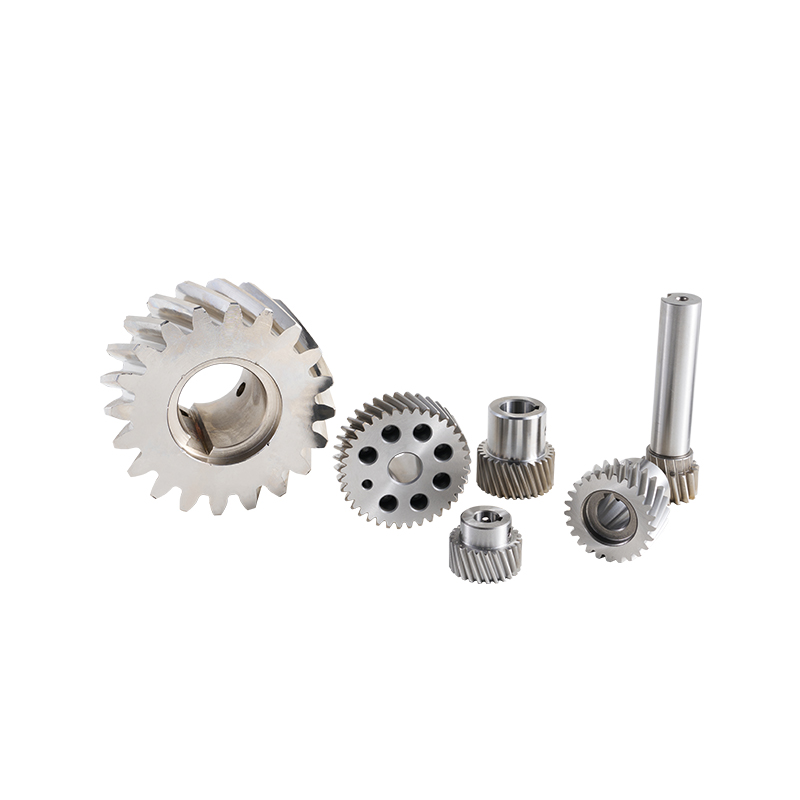
A packaging line rarely depends on one moving component alone. Several mechanisms may operate within the same production area, and their movements need to occur in a compatible sequence. A pusher may need to move only after a product reaches a certain position, while a holder or guide may shift at the same time.
Mechanical transmission plays a role in maintaining the relationship between these movements. With a rack and pinion arrangement, the rotation of the pinion directly influences the linear movement of the rack. When the drive system changes direction or speed, the rack responds through the same mechanical connection.
Smooth synchronization also depends on physical installation. The rack must remain correctly positioned against the pinion, while the moving section needs suitable support along its travel path. Misalignment can change the contact between the teeth and may create uneven movement.
Packaging equipment can be particularly sensitive to sudden changes in movement because products often need to remain correctly positioned during transfer. A package that shifts during pushing or positioning can affect the next operation, especially when several machine actions are closely connected.
Useful checks during machine design include:
Synchronization is therefore influenced by both the transmission arrangement and the machine around it. Once movement paths, positioning requirements, and installation conditions are considered together, the role of the rack and pinion becomes clearer within the wider packaging system.
Faster machine movement places more attention on how each mechanical part responds to acceleration, stopping, and direction changes. A transmission component may work smoothly during a simple movement and behave differently when the same action is repeated frequently. Packaging equipment therefore needs a motion arrangement that matches the way the machine actually operates.
A rack and pinion system experiences repeated tooth engagement as the pinion rotates and the rack travels. Contact between the two parts needs to remain consistent throughout the movement. Poor positioning, uneven support, or unsuitable lubrication can cause irregular contact, which may appear as noise, vibration, or uneven travel.
The surrounding machine structure also affects running conditions. A rack mounted on a flexible or poorly supported section may shift slightly during operation. Even a small change in position can influence how the pinion engages with the rack. For this reason, mounting surfaces, fastening points, and travel guides deserve attention during equipment design.
Direction changes create another consideration. Packaging mechanisms often need to push an item forward and then return to their starting position. Reversing the drive changes the direction of the rack, placing repeated demands on the contact between the teeth.
A practical inspection can focus on:
Heat, dust, packaging residue, and cleaning conditions can also influence the working environment around the transmission. A suitable enclosure or protective arrangement may be needed where surrounding materials could reach the moving components.
High‑speed packaging is therefore closely related to consistency rather than speed alone. Stable mounting, suitable lubrication, controlled movement, and regular inspection all contribute to predictable operation.
Selecting a rack and pinion arrangement starts with the movement that the machine needs to produce. The required travel direction, available space, moving load, and frequency of movement all affect the mechanical arrangement.
Rack length is one practical consideration. A short rack may suit a compact positioning mechanism, while a longer travel path requires enough rack length to cover the required movement. The position of the pinion also needs to remain compatible with the rack throughout the working stroke.
Physical space can be just as important. Packaging machines often place conveyors, guards, guides, sensors, and product‑handling components close together. A transmission system that occupies unnecessary space may interfere with access or nearby moving parts.
The connection between the rack and its supporting structure deserves attention as well. A rigid mounting arrangement helps maintain the intended relationship between the rack and pinion. The drive section, rack support, and moving member should be considered as one mechanical assembly rather than as unrelated parts.
For manufacturers sourcing custom rack components, communication with a Round Gear Rack Manufacturer may involve several practical details:
The purpose of customization is not simply to change the appearance of a component. Packaging machinery often has limited installation space, and the rack needs to fit the existing structure without creating interference with other mechanisms.
A clear understanding of the machine's movement pattern also helps avoid unnecessary changes later. When the transmission path is considered during the equipment design stage, the rack, pinion, guide structure, and drive can be arranged around the same movement requirements.
Even a suitable transmission arrangement can develop operating problems when installation conditions are neglected. The rack needs to stay in its intended position, while the pinion should maintain consistent contact as the machine moves.
Alignment should therefore be checked during installation. The rack should follow the planned travel direction, and the supporting surface should provide stable contact. Fasteners also need to remain secure during repeated machine movement.
Maintenance can begin with simple observations rather than complicated procedures. Changes in sound, vibration, travel smoothness, or visible tooth condition can provide useful indications that an inspection is needed.
A routine check may include:
Cleaning practices should match the surrounding packaging environment. Food packaging areas, for example, may require different cleaning arrangements from industrial packaging equipment handling dry materials. The transmission should also remain accessible enough for inspection without requiring unnecessary machine disassembly.
Wear should be considered as part of ongoing equipment maintenance. Gradual changes in tooth surfaces may affect how the rack and pinion engage. Detecting changes during routine checks can help maintenance personnel investigate the cause before movement becomes noticeably irregular.
A Roller Rack And Pinion can be considered where packaging equipment requires rotary drive movement to produce controlled linear travel. Suitable conditions generally involve a defined movement path, enough installation space for the rack, and a machine structure capable of supporting the transmission arrangement.
The movement pattern should be examined before choosing the configuration. A pushing mechanism may require repeated forward and return travel, while a transfer mechanism may need movement along a longer fixed path. Positioning equipment may have its own space and mounting restrictions.
Environmental conditions also deserve attention. Dust, moisture, cleaning agents, product residue, and frequent access can influence material selection, protection, and maintenance arrangements. The rack and pinion should therefore be considered together with the working environment rather than separately.
| Packaging Condition | Points to Check | Related Requirement |
| Repeated linear movement | Direction and travel path | Stable rack support |
| Frequent direction changes | Forward and return action | Consistent tooth contact |
| Limited machine space | Nearby components | Compact mounting arrangement |
| Food‑related environment | Cleaning and residue | Suitable material and protection |
| Regular maintenance | Inspection access | Accessible transmission area |
A Round Gear Rack Manufacturer may also need information about the machine layout before producing a suitable rack. Dimensions alone may not describe the actual working conditions. Mounting direction, surrounding components, movement pattern, and maintenance access can all affect the final configuration.
The practical question is therefore where the rack and pinion fits within the complete packaging mechanism. When the travel path, drive movement, installation structure, environmental conditions, and maintenance requirements are considered together, the transmission can be matched more closely with the way the packaging machine operates.

© 2025 Zhejiang Yuchen Transmission Technology Co., Ltd.

Transmission Gear And Rack


