

 English
 中文简体
中文简体 русский
 Español

Industry News
 +86-13306862930 / +86-18668881826
Get a Quote
+86-13306862930 / +86-18668881826
A linear actuator needs to convert rotary motion into straight-line movement. The rack and pinion handles that conversion. The pinion spins, and the rack moves. The combination translates rotation into linear travel that can push, pull, or position a load.
The teeth on the pinion engage with the teeth on the rack. The type of tooth cut determines how the two components interact. A Spur Rack And Pinion has straight teeth cut parallel to the gear axis. A helical type has teeth cut at an angle across the face width. The choice affects the actuator's performance, noise, load capacity, and cost.
The selection of the right rack and pinion type depends on what the actuator needs to do. The speed of the actuator, the load it carries, and the environment it operates in all influence the choice. A design that works well for a slow-moving positioning table may not work for a high-speed conveyor.
Straight teeth run parallel to the gear axis in a Spur Rack And Pinion. The teeth engage along their entire width at the same moment. The contact happens abruptly, with one tooth pair engaging and disengaging quickly.
The construction of Rack And Pinion is simple. The teeth are cut straight, and the manufacturing process is straightforward. The simplicity keeps the cost lower than more complex designs.
Spur gears do not create axial thrust loads. The force from the tooth engagement acts perpendicular to the gear axis, not along it. The actuator design does not need thrust bearings to handle axial loads. The bearing arrangement stays simpler and less expensive.
A Helical Gear Rack And Pinion has teeth that run at an angle across the face. The helix angle causes the teeth to engage gradually rather than all at once. The contact starts at one end of the tooth and moves across the width as the gear rotates.
The gradual engagement means that at any moment, more than one tooth pair is in contact. The load gets shared across multiple teeth. The sharing reduces the stress on any individual tooth and allows the gear set to handle higher loads.
The angled teeth create axial thrust loads. The force from the tooth engagement has a component that pushes along the gear axis. The actuator design must include thrust bearings to handle this load. The thrust bearings add complexity and cost to the system.
Rack And Pinion produces a characteristic whine during operation. The sudden engagement of each tooth pair creates an impulse. The impulses occur at the tooth mesh frequency, and the result is a sound that many find objectionable.
The abrupt engagement also creates vibration. The load transfers from one tooth pair to the next with each rotation, and the load variation causes the gear set to vibrate. The vibration can affect the accuracy of the actuator and the life of the components.
A helical design runs quieter because the teeth engage gradually. The contact starts at one end of the tooth and moves smoothly across the face. The noise shifts to a higher frequency and lower amplitude, making it less noticeable.
The load capacity of a rack and pinion system depends on how many teeth share the load. A spur gear set typically has one or two tooth pairs in contact at any moment. The load concentrates on those few teeth, limiting the total load the gear set can carry.
A Helical Gear Rack And Pinion has a higher contact ratio, meaning more teeth share the load. The load spreads across multiple teeth, reducing the stress on each one. The higher contact ratio allows the helical design to carry heavier loads.
The tooth angle also affects the load capacity. The angled teeth of a helical design have a longer line of contact than the straight teeth of a spur design. The longer contact line distributes the load more evenly across the tooth surface.
| Characteristic | Spur Rack And Pinion | Helical Gear Rack and Pinion |
|---|---|---|
| Tooth engagement | Abrupt, full contact | Gradual, progressive contact |
| Contact ratio | Lower | Higher |
| Noise level | Higher | Lower |
| Load capacity | Lower | Higher |
| Axial thrust | None | Present |
| Manufacturing cost | Lower | Higher |
Rack And Pinion makes sense when cost and simplicity sit at the top of the priority list. The straightforward construction keeps production costs down, and the lack of axial thrust simplifies the actuator assembly itself.
Low-speed operations often work well with spur designs. The noise and vibration from sudden tooth contact become less noticeable when things move slowly. A positioning table that creeps along and stops frequently does not need the quiet operation of a helical system.
Simplicity in assembly offers another advantage. The rack bolts directly to the actuator frame, and the pinion slides onto the motor shaft. The actuator does not need thrust bearings or extra components to handle axial loads. The whole system stays simpler and easier to maintain.
High-speed operations push the choice toward a Helical Gear Rack And Pinion. The gradual tooth engagement keeps noise and vibration under control at speed. A system that runs fast and keeps moving benefits from the smoother operation that helical gearing provides.
Heavy loads also steer the decision toward helical designs. The higher contact ratio spreads the force across more teeth, allowing the gear set to handle greater loads without tooth breakage. An actuator that lifts substantial weight or operates under high force will perform better with helical gearing.
Positioning accuracy drives the choice as well. The smooth engagement of helical teeth produces steadier motion, which translates to more precise stopping points. A system that needs to stop at exact positions benefits from the reduced vibration of a helical design.
Axial thrust is the force that pushes along the pinion shaft. A helical design creates this thrust because the angled tooth directs some of the force along the shaft rather than purely across it. The actuator must include bearings that can handle that thrust load.
Spur designs do not create axial thrust. The force from the tooth engagement acts across the shaft axis, not along it. The actuator needs only radial bearings to support the pinion shaft. The simpler bearing arrangement keeps costs down and reduces complexity.
The thrust load from a helical design can be substantial. The size depends on the helix angle and the load being transmitted. A steeper angle creates more thrust, and a heavier load increases it further. The bearings must be sized accordingly.
A few design points about axial thrust:
Spur gears and racks cost less to produce. Straight teeth require simpler tooling and less machining time. The lower production cost makes spur designs appealing when budget concerns dominate the decision.
Helical gears and racks require more complex machining. Cutting teeth at an angle takes specialized equipment and more setup time. The precision needed for a helical rack and pinion adds to the manufacturing cost. The added expense makes sense when the application demands quieter operation or higher load capacity.
Grinding and finishing helical gears adds further cost. The tooth surfaces need to be smooth to achieve the quiet operation that helical designs promise. Those extra steps push the price up.
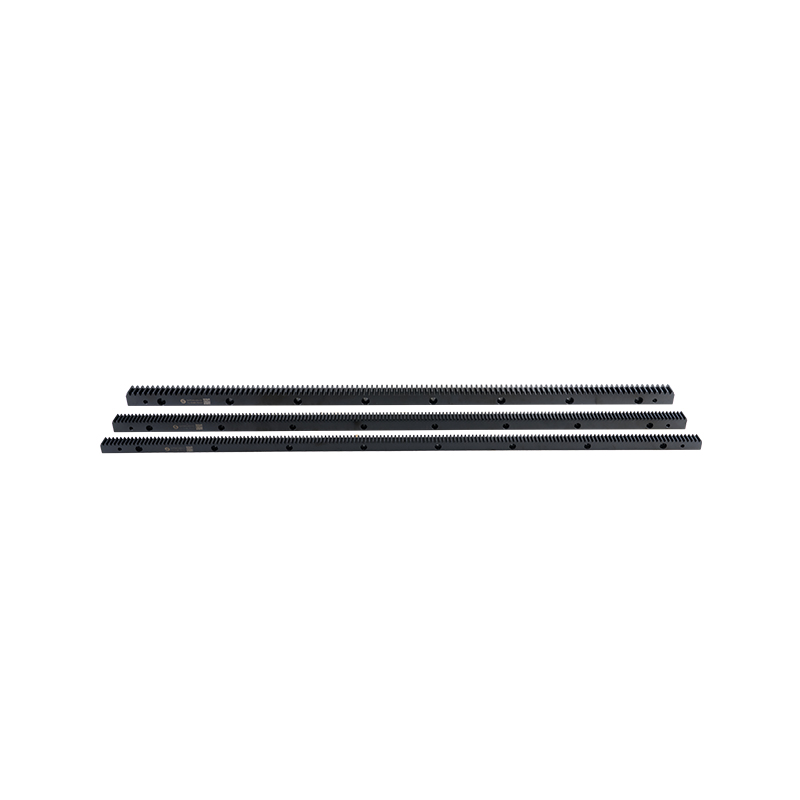
Start by looking at what the application actually needs. Speed, load, noise limits, and precision requirements all point toward one design or the other. A clear picture of the job helps narrow down the options.
Technical resources from manufacturers give detailed information about each design's capabilities. Those resources cover load ratings, noise data, and dimensional specifications. The technical details support better decision-making.
The choice between spur and helical comes down to matching the design to the job. A Spur Rack And Pinion delivers simplicity and lower cost. A helical gear rack and pinion delivers quieter operation and higher load capacity. The right decision balances performance needs against the cost and complexity of each option.

© 2025 Zhejiang Yuchen Transmission Technology Co., Ltd.

Transmission Gear And Rack


