

 English
 中文简体
中文简体 русский
 Español

Industry News
 +86-13306862930 / +86-18668881826
Get a Quote
+86-13306862930 / +86-18668881826
Mechanical transmission systems really hinge on accurate positioning between moving parts. During assembly, even a small difference in installation position can throw off how gears contact and transfer motion. Alignment work really deserves to happen before equipment ever starts regular operation, not after problems show up.
A helical gear rack and pinion system runs on continuous contact between the rack and the rotating gear. Smooth movement really comes down to whether both parts stay correctly positioned throughout operation. When alignment falls short, contact areas can turn uneven, which shows up as changes in movement quality and pulls in more maintenance attention than it should.
Incorrect alignment tends to ripple across several areas of mechanical operation:
Uneven contact crops up when pressure doesn't distribute properly across the working surfaces. Certain sections end up carrying more force while others barely make contact at all. Left alone, this can wear down component condition over time and eventually demand adjustment.
Installation accuracy shapes movement consistency too. A rack installed even slightly off‑position can send the pinion through shifting contact conditions as it rotates, and that kind of change often shows up as unstable movement or an unusual operating sound.
Proper alignment really doesn't come down to a single adjustment made once and forgotten. Mounting position, fixing condition, surface prep, inspection procedures — all of it feeds into the final result together. A careful installation process really does lay the groundwork for stable operation down the line.
Before assembly even starts, technicians typically walk through the installation area, component condition, and mounting structure. That kind of prep cuts down considerably on unnecessary corrections once the system's actually running.
Alignment quality really comes down to several factors working together during installation. A small shift in one area can throw off the relationship between rack and pinion, making the whole adjustment process more complicated than it needs to be.
Mounting surface condition ranks as a genuinely important factor here. Uneven installation surfaces can shift the rack's position, changing contact between teeth in ways that aren't always obvious right away. A clean, stable mounting base really does support more consistent positioning from the start.
Rack placement plays into engagement too. A rack that's off along its mounting path can create uneven movement once the pinion starts rotating against it. Proper positioning keeps that contact area a lot more consistent throughout operation.
Pinion shaft position deserves real attention as well. The rotating part needs to hold a suitable relationship with the rack to support genuinely balanced movement.
| Influence Factor | Possible Effect | Installation Consideration |
|---|---|---|
| Mounting Surface | Changes rack position | Check surface condition |
| Rack Placement | Affects tooth contact | Confirm installation location |
| Shaft Position | Influences rotation path | Review mounting accuracy |
| Fixing Condition | May change alignment | Secure components properly |
| Surface Cleanliness | Affects contact quality | Remove unwanted particles |
Fastening condition matters after installation too. Loose fixing points can let components shift during operation, quietly changing the alignment that was set at install.
Environmental conditions play a role as well. Dust, contamination, unsuitable working conditions — any of it can interfere with accurate positioning during assembly.
Alignment work really demands attention to both individual components and how they relate to each other. Checking one part in isolation rarely gives a complete picture of the installation's actual condition.
Preparation before assembly really smooths out the whole installation process. Checking rack position ahead of time cuts down on repeated adjustments once the system's already installed and running.
Mounting surfaces deserve a careful review before anything gets placed. Unwanted particles, uneven spots, installation obstacles — any of these can throw off the rack's final position.
Rack straightness matters too. A properly positioned rack holds a consistent path, letting the pinion move exactly along the intended direction rather than drifting off course.
A handful of preparation steps tend to come up repeatedly:
Fixing points deserve attention before tightening too. Incorrect spacing or unstable support can quietly influence alignment once operation begins.
Cleaning remains a simple step that pays off more than people expect. Small particles caught between contact surfaces can shift the installed position and drag down movement quality.
Once preparation wraps up, alignment checks confirm whether the rack position actually matches what the installation called for. Careful inspection at this stage really can cut down on adjustment work that would otherwise pile up later.
Pinion position really does shape how movement transfers through the whole rack system. A suitable position lets the rotating gear hold balanced contact as it moves along the rack.
Shaft placement shapes both the direction and stability of rotation. Shift the shaft position even slightly, and the contact relationship between gear teeth and rack teeth can change right along with it.
Tooth contact condition offers a genuinely useful read during alignment inspection. Even contact patterns generally point to components working together the way they should, while uneven contact tends to flag a need for adjustment.
Clearance between moving parts deserves attention too. Too much space invites movement variation. Too little space drives up contact pressure. Neither extreme does the system any favors.
A few factors tie directly into pinion positioning:
Adjustment really needs to consider the whole system rather than fixating on one component alone. Rack position and pinion position really do influence each other, so both deserve coordinated inspection rather than separate, isolated checks.
Smooth engagement really comes down to cooperation between accurate installation and ongoing maintenance. Regular checks help catch changes that build up from operating conditions over time.
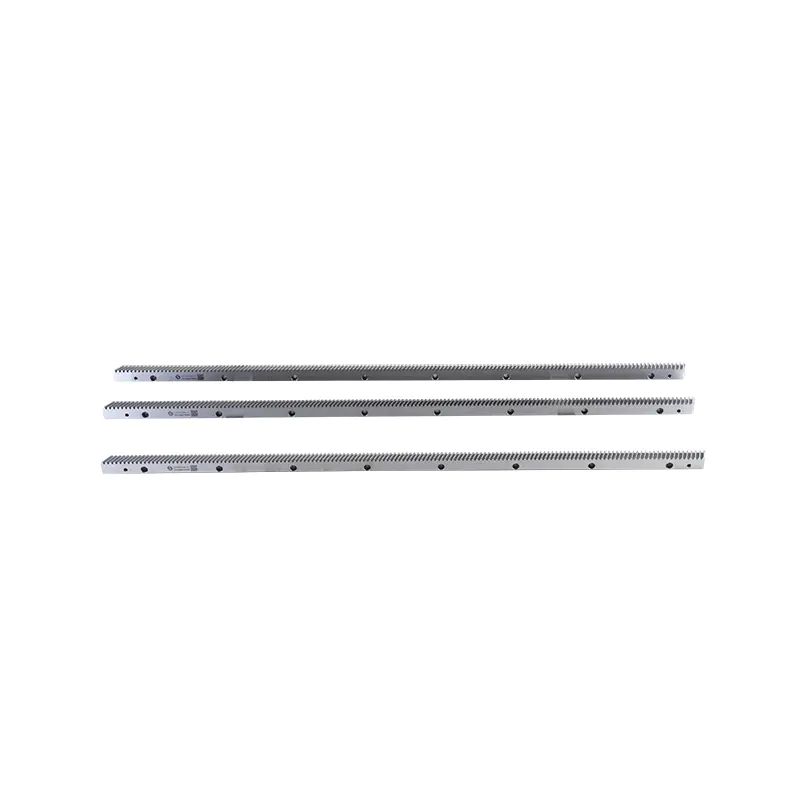
Incorrect alignment tends to create several operational concerns worth watching for. Catching these early really helps maintenance teams review installation conditions before things escalate into larger adjustments.
Uneven tooth contact shows up as a common warning sign. Once force distribution shifts across the contact area, certain sections start carrying additional stress during movement that they weren't built to handle long‑term.
Movement inconsistency tends to follow close behind. A system that can't hold stable engagement often shows changes in motion quality as it runs.
| Alignment Issue | Possible Influence | Maintenance Concern |
|---|---|---|
| Uneven Tooth Contact | Unequal force distribution | Requires condition review |
| Incorrect Positioning | Irregular movement | May need adjustment |
| Loose Fixing | Alignment changes | Requires fastening inspection |
| Surface Contamination | Contact variation | Needs cleaning |
Loose mounting conditions can gradually pull the installation away from its original position. Regular inspection of fixing points really helps catch these shifts before they compound.
Surface contamination deserves its own mention too. Dust or particles sitting between contact areas can throw off alignment and introduce variation that has nothing to do with the actual mechanical design.
Understanding these common alignment problems really helps maintenance teams focus on practical inspection methods, rather than waiting around for operating changes to become impossible to ignore.
Installation methods really shape how mechanical systems perform once assembly wraps up. Accurate prep, careful positioning, proper fastening — all three work together to hold a stable relationship between moving components over time.
Measurement before installation gives you a genuine reference point for positioning. Skip that prep, and adjustments later become a lot harder simply because the original installation condition stays unclear.
Fastening sequence plays into alignment stability too. Components fixed in the wrong order can shift slightly mid‑assembly, quietly changing the relationship between rack and pinion before anyone notices.
A handful of installation practices really support better alignment management:
Confirming alignment after installation remains a genuinely important step. A system can look correctly positioned right after initial assembly, yet a later inspection often reveals changes caused by fastening pressure or components settling into place.
Careful installation pays off for maintenance down the road too. When components go in following a clear installation process, future inspection gets a lot more straightforward, since the original setup stays easier to trace back through.
Maintenance teams tend to keep an eye on changes in movement, operating sound, and contact condition. Small shifts here often signal that alignment needs a closer look.
Long‑term equipment management really comes down to consistent attention throughout the whole operating lifespan. Installation quality lays the foundation, while routine checks keep working conditions where they need to be.
Component production shapes how easily alignment comes together during assembly. Parts built with consistent dimensions and stable structures tend to hand installers a clearer foundation to work with.
Manufacturing runs through multiple steps that shape final component condition. Surface processing, dimensional control, inspection procedures — all of it feeds into how well parts fit together once assembly starts.
A Helical Gear Rack Factory typically factors installation requirements into production planning from the outset, simply because mechanical components need to work together rather than function in isolation. Production consistency really does cut down on unnecessary adjustment once equipment reaches assembly.
A few manufacturing factors tend to shape alignment outcomes:
Component matching deserves real attention too. Rack and pinion parts need to hold a suitable relationship throughout movement, and differences between connected parts can throw off engagement conditions in ways that aren't always obvious upfront.
Production planning also factors in transportation and storage ahead of installation. Components kept protected during handling run a lot less risk of picking up unnecessary changes before they even reach the assembly location.
Manufacturing and installation really are connected stages, not separate silos. Accurate production makes assembly easier, while careful installation helps preserve the intended relationship between components once everything's in place.
Maintenance activities really do help track alignment conditions once equipment starts running. Regular attention catches changes before they start affecting normal movement.
Cleaning contact areas remains a genuinely practical maintenance step. Dust or foreign particles can throw off movement conditions, which makes routine cleaning a small habit that pays off in maintaining a suitable operating environment.
Fastening checks support alignment management too. Vibration during operation can gradually shift mounting conditions, so reviewing connection points regularly helps keep installation stability intact.
Operating changes tend to offer useful clues during inspection. Unusual movement patterns or shifts in contact sound often signal that further checking is worth the time.
Common maintenance practices tend to include:
Maintenance really isn't just about fixing problems after they show up. Regular observation supports equipment management on its own, by tracking how conditions shift over time.
Inspection methods tend to vary depending on the working environment and equipment requirements involved. Workshops running equipment constantly often lean into more frequent routine checks, while equipment used only occasionally tends to follow a lighter management rhythm.
Good maintenance habits really do help preserve the alignment conditions that installation originally established.
Alignment inspection offers a genuine way to confirm whether components keep working together the way they should. Mechanical systems can shift over time thanks to operation, environmental conditions, or just repeated movement wearing things down gradually.
Checking tooth contact helps confirm whether force distribution stays balanced. Uneven contact areas often point toward installation conditions or component positions that deserve a second look.
Movement testing offers useful information too. Smooth movement really depends on cooperation between rack placement, pinion rotation, and fastening stability working in sync.
A handful of inspection points tend to matter here:
Inspection results feed directly into future maintenance planning. Keeping records of equipment condition over time helps maintenance teams spot changes and trace them back to likely causes.
Alignment management really doesn't stop once installation day wraps up. Continuous observation supports stable operation across the whole equipment service life.
Mechanical systems tend to rely on cooperation between multiple parts working in concert. Maintaining suitable alignment helps every component play its intended role within the larger structure.
Alignment really ties manufacturing, installation, operation, and maintenance together into one continuous thread. Each stage shapes how effectively mechanical parts work together through daily use.
A carefully installed helical gear rack and pinion system really does demand attention to positioning, fixing methods, and inspection routines. Small adjustments made during preparation tend to head off larger maintenance concerns down the line.
Practical management often comes down to a handful of simple habits:
Smooth engagement really does come out of cooperation between accurate installation and continuous management working together. Rack and pinion systems depend on balanced interaction, which is exactly why alignment stays such a central piece of mechanical operation overall.
Industry development keeps circling back to improving assembly convenience and maintenance practices alike. As equipment applications grow more varied across different industries, alignment procedures remain a genuinely important consideration in how mechanical systems get managed.

© 2025 Zhejiang Yuchen Transmission Technology Co., Ltd.

Transmission Gear And Rack


