

 English
 中文简体
中文简体 русский
 Español

Industry News
 +86-13306862930 / +86-18668881826
Get a Quote
+86-13306862930 / +86-18668881826
In modern industrial applications, precision is key to efficiency and performance. Gear machining, rack and pinion gear, and helical rack and pinion systems are integral in transforming rotary motion into controlled linear motion, powering machinery from CNC equipment to heavy-duty automation systems.
Yuchen Rack, as a professional manufacturer, provides a range of rack and pinion gear and helical rack and pinion products engineered for durability, accuracy, and industrial versatility.
Gear machining is the process of cutting, shaping, and finishing gears to precise specifications. In rack and pinion gear systems, the quality of gear machining directly affects the smoothness, accuracy, and durability of motion conversion.
Key aspects of gear machining in rack and pinion systems include:
Applications in industrial systems:
The expertise of Yuchen Rack in gear machining ensures that every rack and pinion gear meets stringent industrial tolerances.
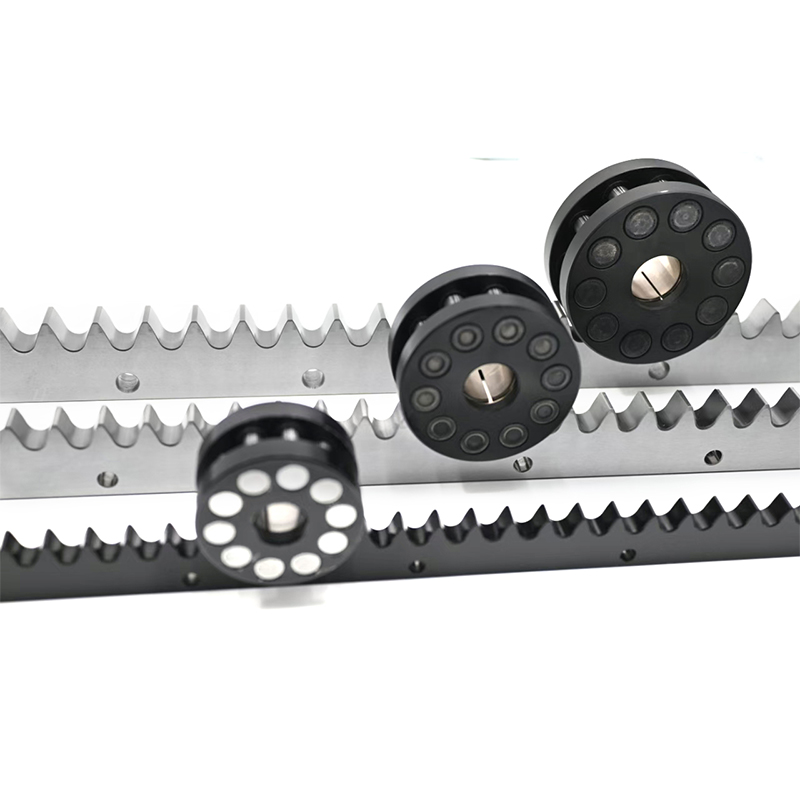
Helical rack and pinion systems feature angled teeth that engage gradually, providing smoother motion and higher load capacity compared to straight-cut rack and pinion gear.
Benefits of helical systems include:
Industrial applications:
Straight vs Helical Rack and Pinion
| Feature | Rack and Pinion Gear | Helical Rack and Pinion |
| Tooth Engagement | Straight | Angled (Helical) |
| Noise Level | Moderate | Low |
| Load Capacity | Medium | High |
| Precision | Good | Excellent |
| Applications | Standard machinery | High-speed CNC, robotics |
This illustrates why Yuchen Rack produces both standard rack and pinion gear and helical rack and pinion to suit diverse industrial requirements.
Material selection is critical in gear machining for both rack and pinion gear and helical rack and pinion systems. Yuchen Rack utilizes high-quality alloy steels and specialized treatments to optimize strength and durability.
Key considerations:
Impact on performance:
Rack and pinion gear and helical rack and pinion systems are widely used in sectors requiring precision motion control.
Applications include:
By offering diverse rack and pinion gear configurations, Yuchen Rack enables manufacturers to choose solutions tailored to operational speed, load, and precision requirements.
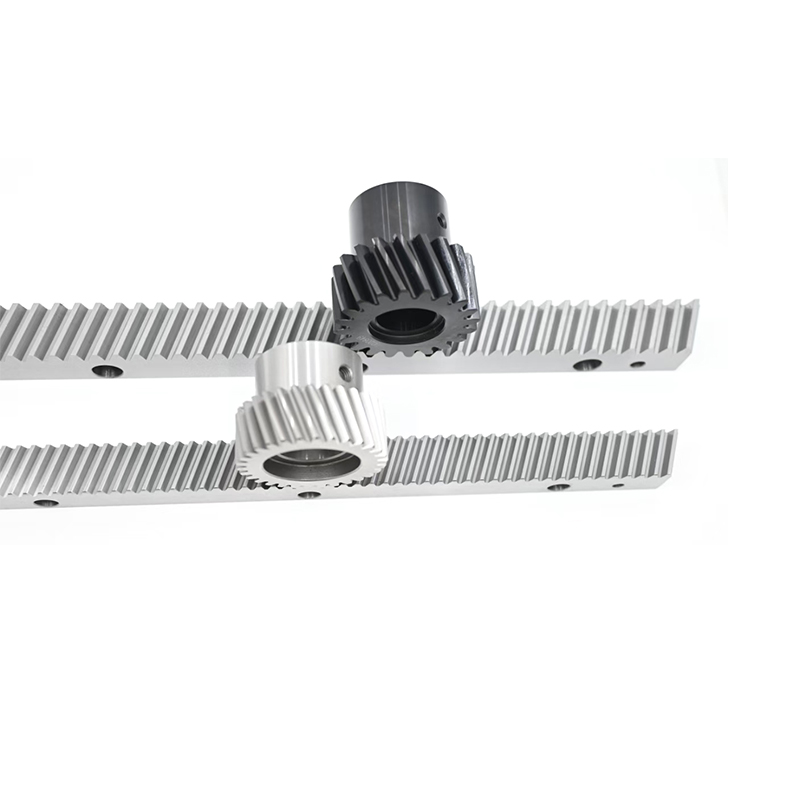
Yuchen Rack excels at providing custom gear machining for both rack and pinion gear and helical rack and pinion systems, allowing flexibility for industrial machinery design.
Customizable options include:
Benefits of customization:
While standard rack and pinion gear systems are widely used, helical rack and pinion offers several performance enhancements:
Advantages:
Application Comparison Table:
| Feature Standard | Rack and Pinion Gear | Helical Rack and Pinion |
| Smoothness | Moderate | High |
| Load Handling | Medium | High |
| Noise | Medium | Low |
| Wear | Higher | Lower |
| Suitable Machinery | Standard Automation | CNC, Robotics, Heavy-Duty |
Yuchen Rack leverages advanced gear machining to produce both standard and helical rack and pinion systems that meet precise industrial requirements.
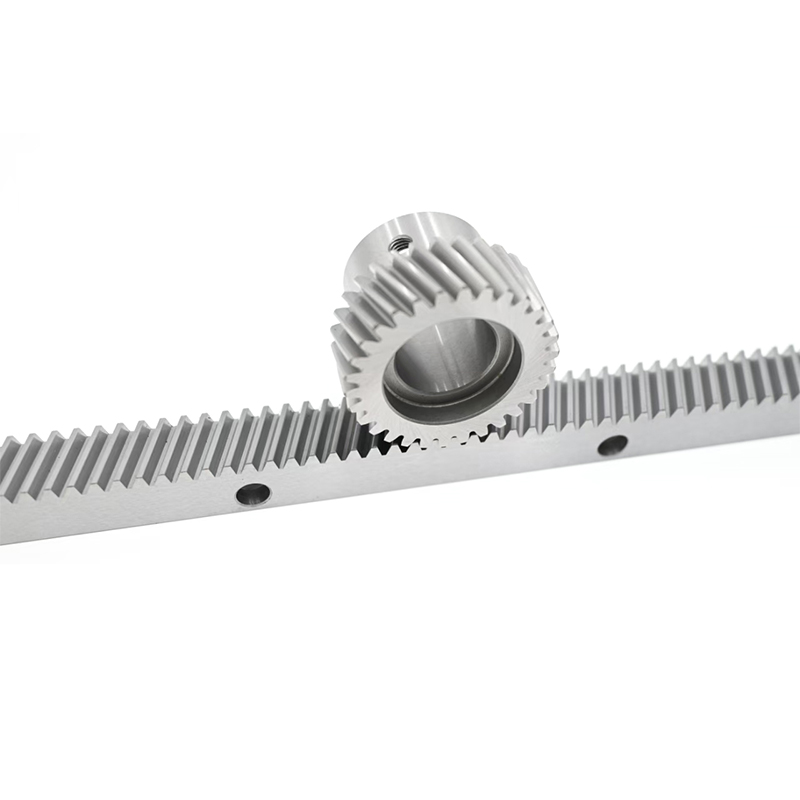
Rack and pinion gear and helical rack and pinion systems are widely used in automated machinery requiring high precision and repeatability. Yuchen Rack leverages advanced gear machining to produce components that ensure consistent motion control in complex industrial environments.
Key applications include:
By designing helical rack and pinion and standard rack and pinion gear to exact specifications, Yuchen Rack delivers motion solutions that improve accuracy, efficiency, and stability in modern automated industrial systems.
From CNC machining to robotics, material handling, and heavy machinery, Yuchen Rack's rack and pinion gear and helical rack and pinion solutions empower industrial manufacturers to achieve precise, efficient, and reliable motion control.

© 2025 Zhejiang Yuchen Transmission Technology Co., Ltd.

Transmission Gear And Rack


